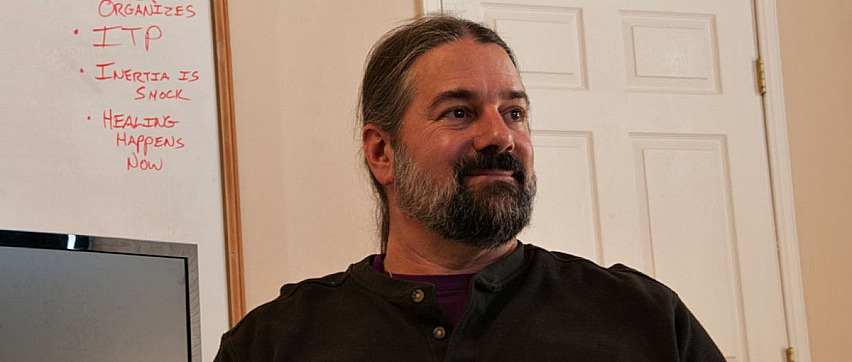
Today's audio is a live recording of Scott Zamurut's presentation at the 2016 North American Breath of Life conference. In this talk Scott explains his emerging awareness of a sensory phenomenon that he has labeled the “Embodiment Tide.” The Embodiment Tide is a slow tidal movement, slower than the Long Tide, that has the capacity to reorganize inertial fulcrums related to our earliest experiences of conception and embodiment.
[continue reading…]
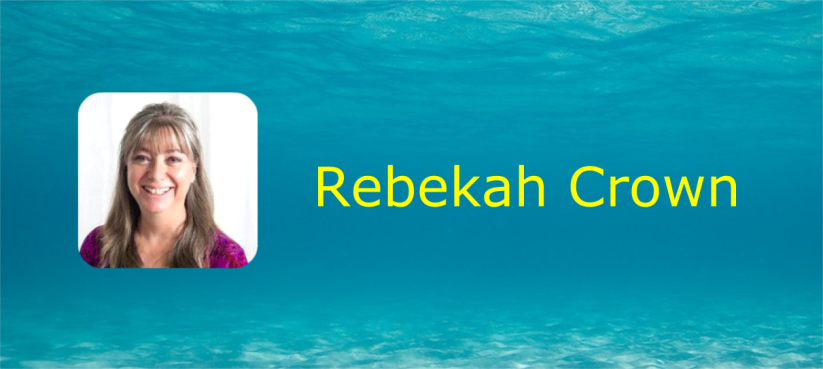
In today's episode Rebekah Crown outlines an approach to shadow work that involves turning your demons into allies. Rebekah brings more than 30 years experience to her craniosacral practice, incorporating bodywork, art, and dance into her understanding of the work. This talk was recorded at the 2016 North American Breath of Life conference.
[continue reading…]
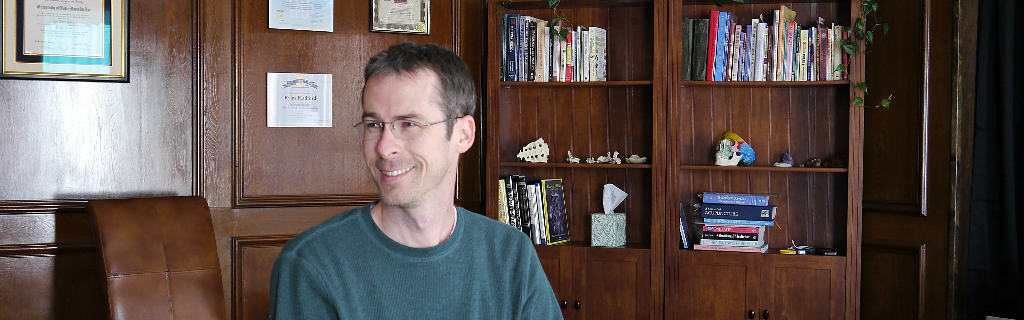
This episode continues our coverage of the 2016 North American Breath of Life Conference, featuring an interview with conference presenter Scott Zamurut. Today Scott talks about his teaching background and recent ideas around pre and perinatal training for biodynamic therapists.
[continue reading…]
Come with me to meet some of the people who make the biodynamic world go 'round! This special episode is filled with interviews from the 2016 Biodynamic Conference in North America. Guests include Myrna Martin, Bob Gardner, Christopher Muller, Rebekah Crown, Edwin Nothnagel, and others …
[continue reading…]
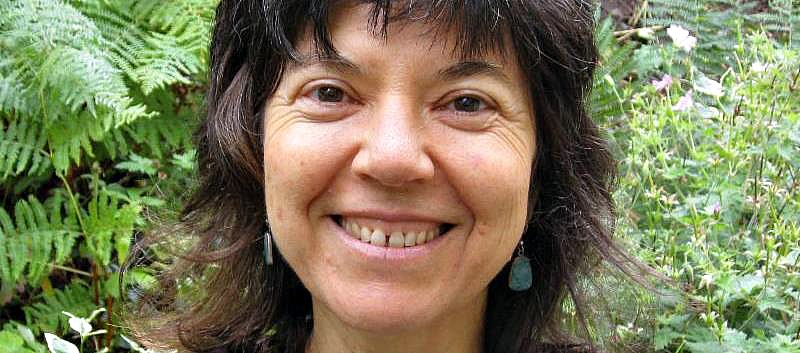
Cherionna Menzam-Sills draws on almost 40 years as a therapist and group leader. She is a senior tutor at the Karuna Institute in Devon, UK, and and teaches craniosacral biodynamics across Europe and North America with her husband, Biodynamics pioneer, Franklyn Sills.
[continue reading…]
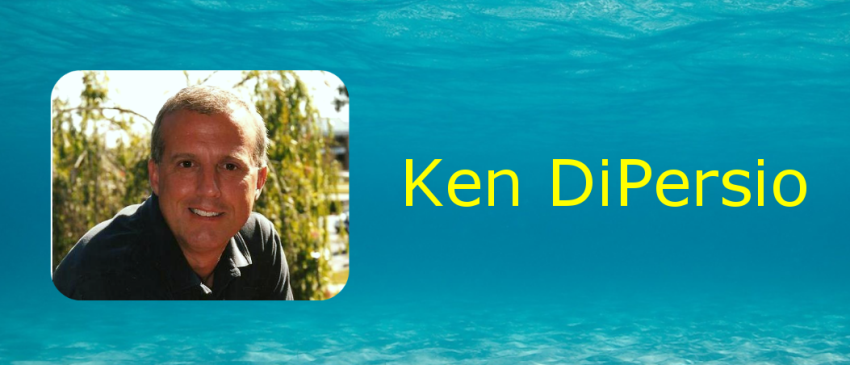
Ken DiPersio began his CST career with the Upledger Institute in 1991, and eventually went on to study the biodynamic approach with Michael Shea. He has created his own CST training curriculum based on his experience of both styles. In this interview he talks about his early experiences working directly with John Upledger, his unfolding into biodynamics, and shares his perspective on some biodynamic treatment principles.
[continue reading…]
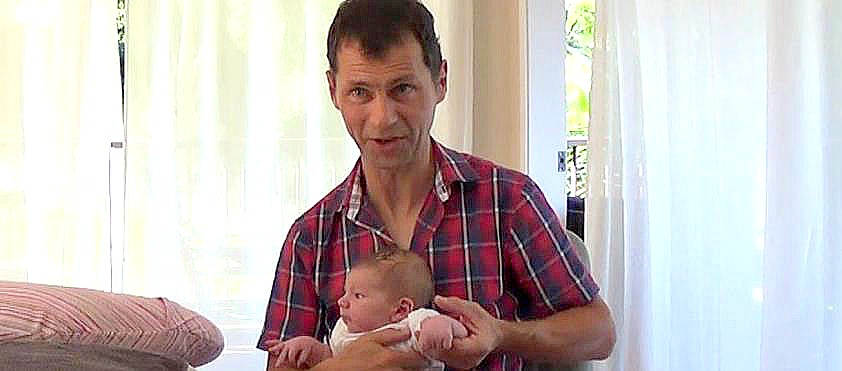
Jonathan Evans is an Osteopath who loves treating babies. A graduate of the British College of Osteopathic Medicine and faculty member for the Sutherland Cranial Teaching Foundation, he currently lives and practices in Australia. He is the founder of the Kindred Academy, an online training outlet for health practitioners and therapists that focuses on the hands-on techniques and therapeutic skills that are needed to be effective in a clinical setting. In this interview we discuss many topics related to the unique situations we face when treating babies via manual therapy.
[continue reading…]
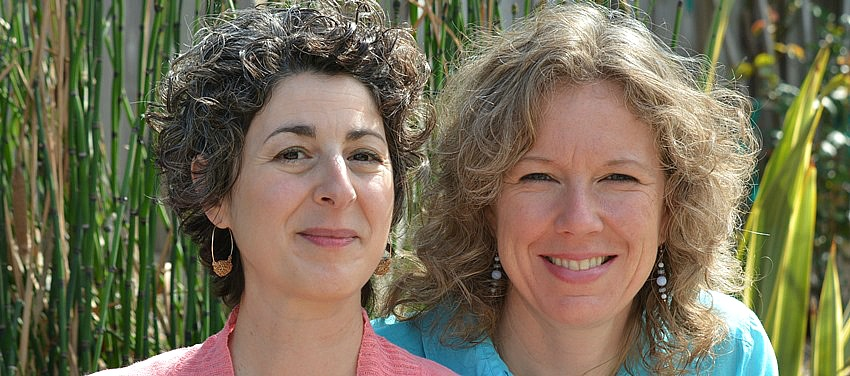
Two previous podcast guests, Robyn Scherr and Kate Mackinnon, return to discuss their online course “Elements of a Successful Craniosacral Business.” Their collaborative effort to help other practitioners build healthy craniosacral clinical practices is a smart and effective tool to get you up and running with a new practice or refine your existing business.
In the interview we talk about some of the material covered in their training and a few things Kate and Robyn have learned from coaching others in practice building and management. After following their last group of students closely as they worked through the 8-module class, I am really impressed with how concise and effective this program is.
[continue reading…]
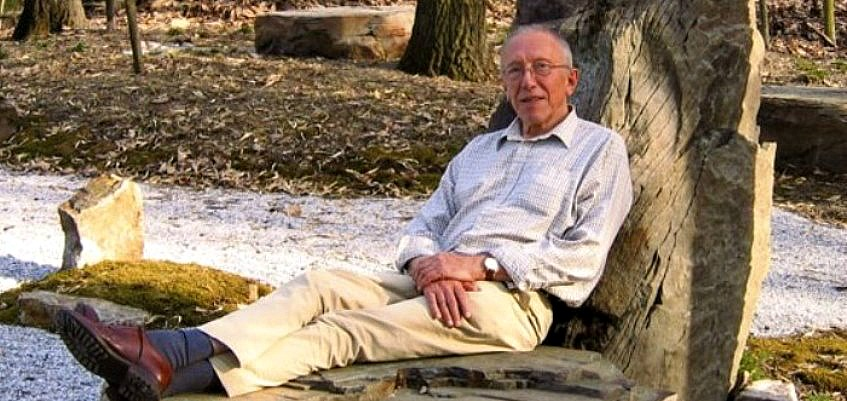
Mike Boxhall has been immersed in the world of therapy for the last 45 years, studying counseling, psychotherapy, acupuncture and craniosacral therapy. He approaches cranial work as a practice of embodied experience that is not based on intellectual appraisal but rather rooted in the ground of the intellect itself. Mike seeks to bring practitioners into the wisdom of the heart, where the feminine principle can emerge with its deep therapeutic gifts. Mike's wisdom, simplicity, and humor make this one of my favorite interviews to date.
[continue reading…]
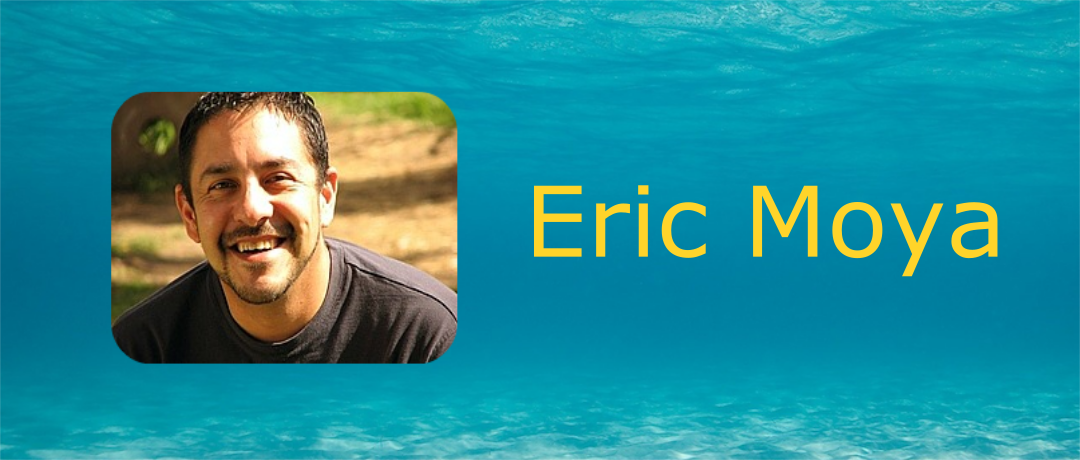
Eric Moya has been an instructor for The Upledger Institute for two decades, teaching several different classes for UI. In this interview he lays some groundwork for understanding his class “CST and Working with Chronic Depletion,” discussing the differences between a restriction-based approach to CST and a pattern-based one.
[continue reading…]